🌻 State Guide · Updated January 2025
Exotic Pet Laws in Ohio (2025)
Ohio's 2012 Dangerous Wild Animal Act: Background and Impact
Ohio's exotic animal regulations are almost entirely shaped by one event: the Zanesville animal massacre of October 18, 2011. Terry Thompson, a Muskingum County exotic animal farm owner, released 56 animals — including 18 Bengal tigers, 17 lions, 6 black bears, and 3 mountain lions — before taking his own life. Responding law enforcement officers were forced to shoot 49 of the escaped animals to protect public safety. The images of dead big cats on Ohio roadsides shocked the nation.
Before Zanesville, Ohio had among the most lax exotic animal laws in the country. Within a year, Ohio passed the Dangerous Wild Animal Act (HB 108), signed into law in June 2012, which took effect January 1, 2014. The transformation was dramatic.
Ohio's Current Framework
The Ohio Dangerous Wild Animal Act created two categories with different rules:
Restricted Dangerous Wild Animals: Big cats (lions, tigers, leopards, jaguars, cheetahs, snow leopards), bears, hyenas, gray wolves, African wild dogs, Komodo dragons, alligators and crocodiles, and specific large constricting snakes. These animals are banned for new ownership. Individuals who legally owned these animals before January 1, 2014 could register them under a grandfather provision, subject to USDA licensing, liability insurance, microchipping, and facility requirements.
Regulated Animals: A broader category including servals, caracals, savannah cats, coyotes, and certain primates. Ownership of these animals requires an Ohio "Dangerous Wild Animal" permit from the Ohio Department of Agriculture (ODA).
Species Status in Ohio
| Species | Status | Notes |
|---|---|---|
| Fennec Fox | Permit | May require ODA registration; consult ODA directly |
| Sugar Glider | Legal | Not regulated under Ohio's DWA framework |
| Capybara | Permit | ODA permit may be required; verify with ODA |
| Hedgehog | Legal | Not on Ohio's restricted or regulated animal lists |
| Axolotl | Legal | Not regulated under DWA framework |
| Ball Python | Legal | Legal; large constricting species have separate rules |
| Serval | Banned | Classified as Restricted Dangerous Wild Animal; no new ownership permits |
| Wolf Hybrid | Permit | Wolves are restricted; hybrids may require ODA registration depending on documented wolf content |
| Tiger / Lion | Banned | Restricted Dangerous Wild Animals; no new ownership since 2014 |
Ohio's Grandfather Registration: What Happened
Individuals who owned animals in the "Restricted Dangerous Wild Animal" category before January 1, 2014 had until the law's effective date to apply for a grandfather registration. Requirements were substantial: USDA Animal Welfare Act license, liability insurance of at least $200,000, microchipping of every animal, facility inspection, and annual renewal.
Many Ohio exotic animal owners chose not to comply with the grandfather requirements and either relocated their animals to other states, surrendered them to sanctuaries, or in some cases stopped complying and went underground. The Ohio Department of Agriculture has conducted inspections and enforcement actions against owners who failed to register grandfathered animals.
Who to Contact in Ohio
For questions about Ohio's Dangerous Wild Animal Act: Ohio Department of Agriculture, Division of Animal Health at (614) 728-6220 or agri.ohio.gov. For native wildlife questions: Ohio Division of Wildlife at (800) 945-3543 or wildohio.gov.
Frequently Asked Questions
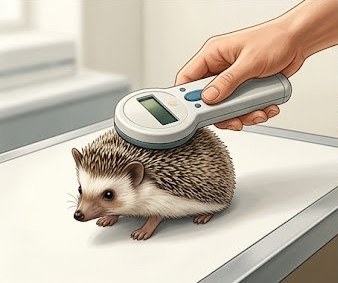
ISENVO Pet Microchip Scanner — 134.2kHz / 125kHz, 15-Digit Reader
Many state permits — including Ohio's Dangerous Wild Animal registration, Florida's Class II license, and Texas DWA registration — require microchipping as a condition of legal ownership. This rechargeable RFID scanner reads both 134.2kHz and 125kHz ISO chips, displays the full 15-digit ID, and works on all exotic mammals. $34.99 · Prime eligible.
View on Amazon — $34.99 →As an Amazon Associate, we earn from qualifying purchases.